Millions of passengers denied boarding
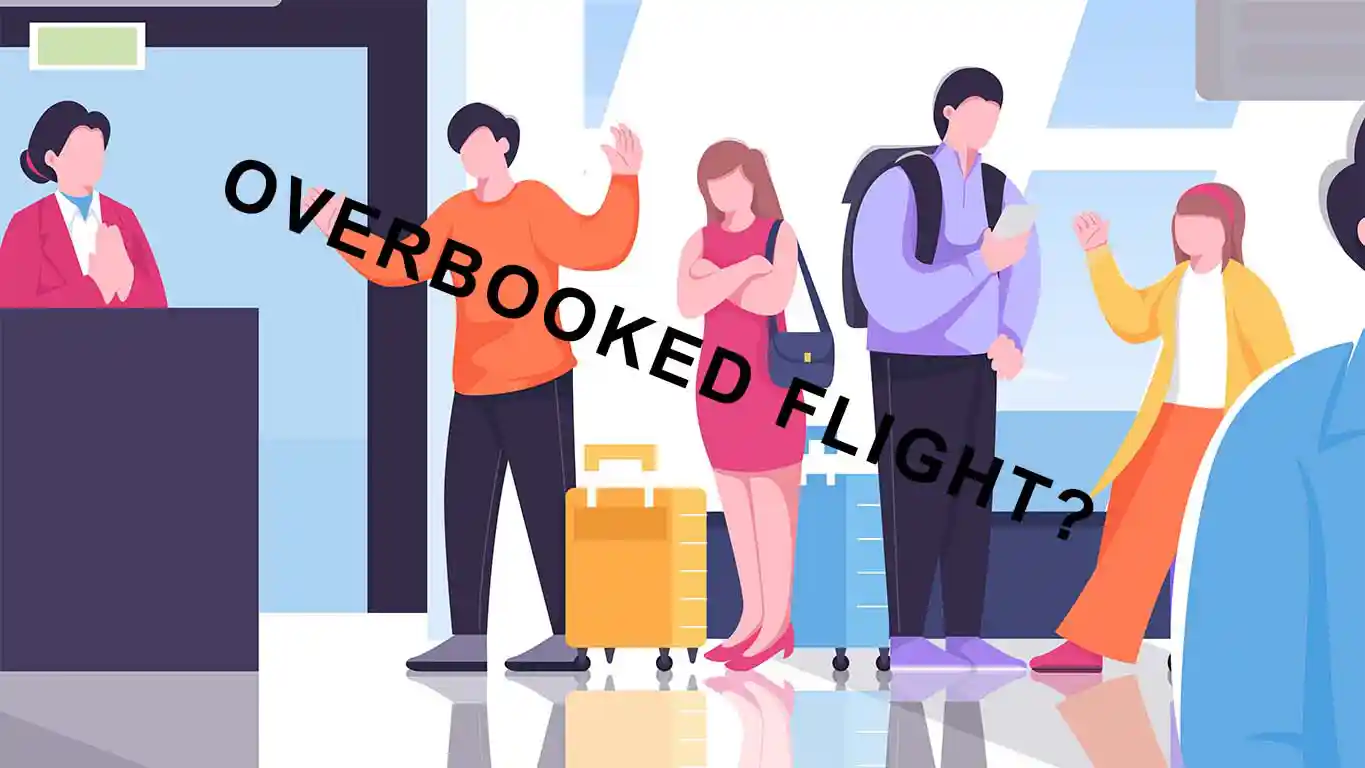
6.6million air passengers are denied boarding every year, despite having ticket and passport as airlines overbook their flight and sells more ticket than there is room for, according to Civil Aviation Authority data and new research. Passengers are being ‘bumped’ from flights because of overbooking by airlines.
Why do airlines overbook?
Overbooking is a common practice in which airlines sell more tickets than there are seats on the plane. Airlines do this because they assume some travellers will not show up, but sometimes too many passengers arrive to board, causing significant delays for some flyers.
A recent study by Gocompare analysed Civil Aviation Authority figures and survey data to estimate how many passengers airlines affect each year with this practice. In total, researchers estimate that over the past decade, around 20.9 million passengers annually experienced the impact of overbooking.
About one-third of affected passengers told the insurance comparison site that the airline prevented them from boarding their plane. This equals roughly 6.6 million travellers denied boarding per year during this period.
What to do if you are denied boarding
When you are denied boarding, you can take several steps to resolve the situation.
Here’s a quick checklist for what to do if the airline does not allow you to board your flight due to overbooking:
- Check why you were denied boarding – Confirm with the airline that overbooking caused the issue. Ask for written confirmation if possible. (This serves as proof for your insurance or for later compensation.)
- Discuss next steps or compensation – Your airline must find another flight for you and offer compensation. This could include a cash payment, meal vouchers, hotel accommodation, or transport costs. The airline determines the amount based on the length of your flight and the timing of the alternative flight. You can also request a full refund if you decide not to travel.
- Keep all of your documents – Keep your boarding pass, receipts for any expenses, and all communication with the airline.
- Complain if necessary – If you wish to complain, contact the airline directly first, as each carrier manages complaints through its own process. If the airline does not resolve the issue, contact your local Civil Aviation Authority (CAA) or an Alternative Dispute Resolution (ADR) scheme.
-
- A few links for help with compensation:
- refundmore.com is a Service from Denmark, working worldwide, and with an about 95% success rate. If no success, no pay.
- airhelp.com International passengers’ rights is another Airline help desk to assist you in getting compensation from the Airlines.
- A few links for help with compensation:
What to do with regards to your trip with us:
- Contact us immediately
- Provide all relevant information, including your new arrival time, and keep us updated.
What are the consequences of your delay?
- There are a few options for your trip
- You will most likely lose the delayed day or time and start from the point scheduled for your new arrival. Most hotels and lodges are fully booked, so changing your accommodation is almost impossible.
If you miss a day because of the delay, you cannot receive a refund according to the Terms & Conditions. In that case, you must file a claim with your Travel Insurance company.
- You will most likely lose the delayed day or time and start from the point scheduled for your new arrival. Most hotels and lodges are fully booked, so changing your accommodation is almost impossible.
Contact us via our contact page for any enquiries.
How does this affect travel insurance?
Typically, travel insurance does not cover overbooking. The airline takes responsibility, not the insurance. When the airline denies you boarding, it should book you on another flight. If the airline cannot do this, it must provide compensation or a refund. Being unable to board your flight, which disrupts your trip, may also make you eligible for compensation. This can include missing a connection, arriving late at your accommodation, or cancelling an activity.
You can claim on your travel insurance if the airline denies you boarding and does not offer a suitable alternative within a set period. Travel disruption cover protects you against any costs that the delay or cancellation causes.
Your provider determines coverage. It may include travel disruption cover as standard or offer it as an add-on. Each policy differs, so check exactly what your provider covers before purchasing insurance.
What airlines are legally required to do?
When a flight is overbooked, airlines must provide affected travellers with alternative flights, compensation, and assistance. Among the travellers surveyed, most (84%) who the airline denied boarding were booked onto another flight. That equals about one million passengers each year whose journeys the airline rearranged.
Out of the remaining passengers, almost two-thirds said they lost money. Just under half claimed on their travel insurance. The insurance comparison site urges passengers to know their rights if this happens while travelling.
Rhys Jones, travel insurance expert at Gocompare, said: “Flight overbooking happens more often than we’d like, and it can make the start of a trip stressful. If it happens to you and you’re denied boarding, first confirm with the airline that it was due to overbooking and get this in writing.
“Next, discuss what your airline plans to do to get your trip back on track. Ask how they will assist you and what compensation they are offering. They should try to book you onto another flight when possible.
“Keep all relevant documents, such as boarding passes, communications from the airline, and receipts for meals or accommodation. The airline should pay you for these expenses. You can complain to the airline if necessary, and if the issue is not resolved, escalate it to your local Civil Aviation Authority (CAA) or an Alternative Dispute Resolution (ADR) scheme.
“While travel insurance likely won’t cover overbooking, you may claim compensation from your airline for costs such as missed connections or trip cancellations. Some policies also offer optional travel disruption cover, which protects you if the airline cannot provide a suitable alternative flight. Check whether your provider offers this cover and what it includes.