Dar es Salaam
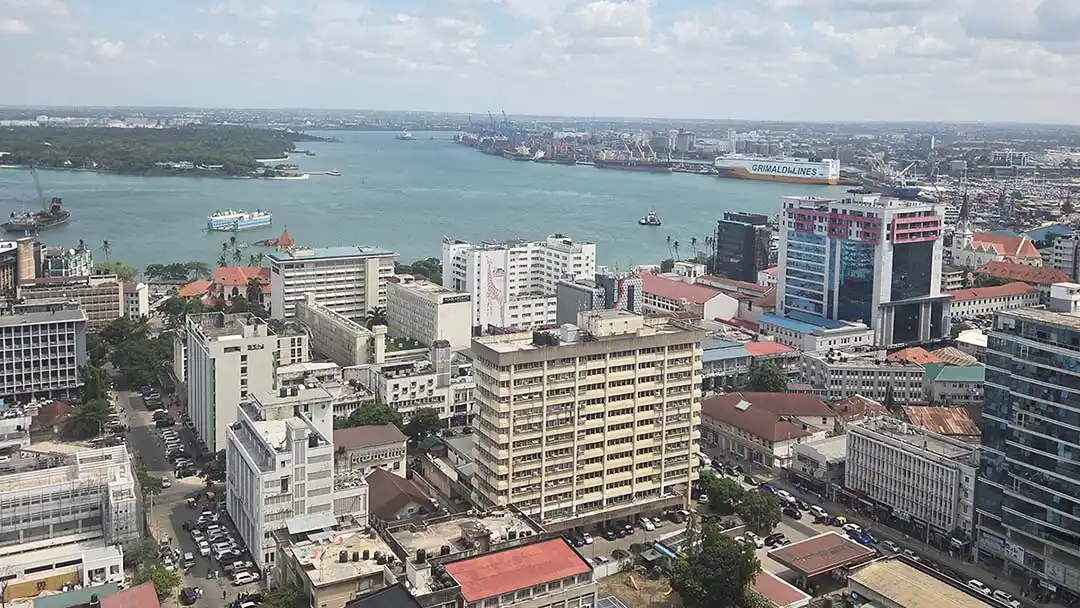
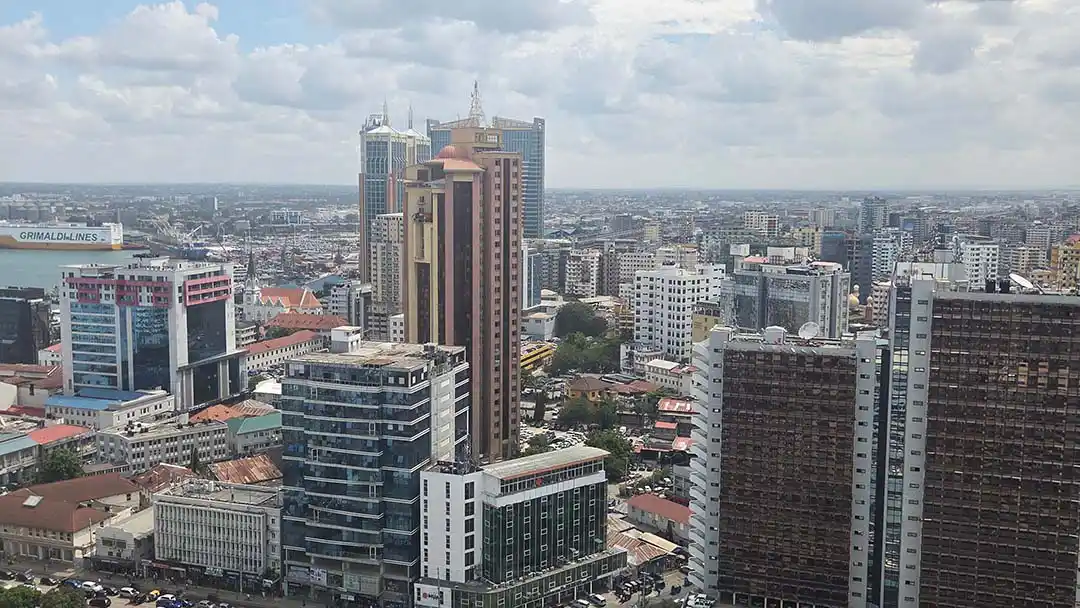
The destination Dar Es Salaam is Tanzania’s largest city, the former capital, now the main commercial hub, and coastal gateway to Zanzibar, the southern part of Tanzania, it’s islands and southern safari parks. Originally founded as a small fishing village in 1862, the city blends Swahili, Arabic, German, and British heritage with bustling markets and Indian Ocean beaches
Key Facts & Travel Essentials
- Meaning & History. The name of the destination Dar Es Salaam translates from Arabic as “Abode of Peace” or “Haven of Peace”. Sultan Majid bin Said of Zanzibar established the city in 1862 on the site of the coastal village of Mzizima.
- Capital Status. Dar es Salaam served as Tanzania’s official capital until the mid-1970s, when the seat of government began relocating to Dodoma. It remains the country’s primary financial, diplomatic, and port centre.
- Languages & Currency. Kiswahili and English are widely spoken, alongside Arabic and Hindi in business districts. The local currency is the Tanzanian Shilling (TZS), though US dollars are widely accepted for tours and hotels.
- Getting There & Around. International flights land at Julius Nyerere International Airport (DAR). High-speed ferries operated by Azam Marine depart regularly from the harbor to Zanzibar.
If you are searching for a dynamic and diverse destination, Dar es Salaam in Tanzania is the place to arrive. It is the country’s largest and most cosmopolitan city on the stunning tropical Indian Ocean coast, just a short hop from Zanzibar Island’s idyllic white sandy beaches, and the gateway to Tanzania’s exclusive southern safari parks. Dar es Salaam offers every traveller a rich blend of cultures, cuisines and attractions.
Dar es Salaam is the biggest city in Tanzania, with an estimated population of 9 million people, it is located at the Indian Ocean coastline, roughly 199 km from Morogoro, 452 km from the capital Dodoma, 548 km from Moshi (next to mount Kilimanjaro), 630 km from Arusha (the safari capital of Africa), 1.137 km from Mwanza (the second biggest city in Tanzania), 822 km from Mbeya, and 1.056 km from Songea. By sea, it is about 82 km by ferry to Stone Town in Zanzibar.
History & Culture
Tanzania’s independence is kind of split in 2 as the mainland Tanganyika gained independence in 1961 from the United Kingdom. It became a republic under the commonwealth in 1962 with Julius Nyerere as president while the Independence of Zanzibar came in December 1963, while a rebellion overthrew the sultan in January 1964, whereby The republic of Zanzibar rose.
The United Republic of Tanzania came to, when Tanganyika and Zanzibar merged to form the United Republic of Tanganyika and Zanzibar in April of 1964, while they in October 1964 renamed it to the United Republic of Tanzania.
- National Museum of Tanzania. Located near the Botanical Gardens, this museum houses early human fossils from Olduvai Gorge, slave trade exhibits, and President Julius Nyerere’s vintage Rolls-Royce.
- Makumbusho Village Museum. This open-air museum showcases authentic traditional dwellings from over a dozen Tanzanian ethnic groups. Visitors can watch live traditional drumming and dance performances in the afternoons.
- Colonial Landmarks. A walk through the city center reveals historic architecture, including the red-roofed Azania Front Lutheran Church, St. Joseph’s Cathedral, and the Askari Monument.
- Contemporary Art. Explore Nafasi Art Space for modern Tanzanian visual arts and live performances, or visit the Tingatinga Arts Cooperative Society to see vibrant, enamel-on-canvas paintings.
Food culture of Dar Es Salaam
The food culture in Dar es Salaam is a vibrant coastal fusion of Swahili, Indian, Arab, and mainland Tanzanian traditions. Because of its Indian Ocean location and rich trading history.
When it comes to restaurants and where to eat, The city’s culinary identity revolves around fresh Indian Ocean seafood, coconut milk, aromatic spices (cardamom, cloves, cinnamon), and charcoal-grilled meats and street-food grilling, though new food joints are popping up, with new vibes.
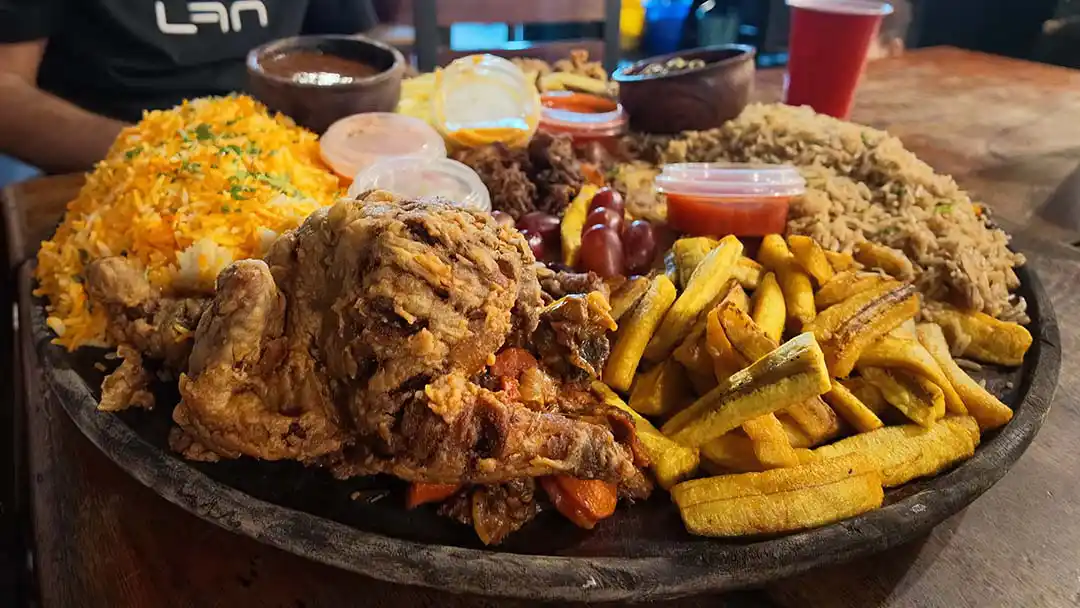
Signature Local & Swahili Dishes
- Chipsi Mayai: A beloved street-food staple consisting of French fries cooked directly inside a thick egg omelet. It is typically topped with kachumbari (fresh tomato and onion salad) and spicy chili sauce.
- Nyama Choma & Mishkaki: Charcoal-grilled meats—mostly beef, goat, or chicken—marinated in spices and skewered (mishkaki). You can find roadside grills (vibanda) firing up skewers every evening across the city.
- Ugali & Samaki: Tanzania’s quintessential meal pairs stiff cornmeal porridge (ugali) with freshly caught red snapper, kingfish, or tilapia, either deep-fried or simmered in a rich coconut curry (samaki wa kupaka).
- Pilau & Biryani: Fragrant spiced rice dishes cooked with cloves, cardamom, cinnamon, and meat or seafood, deeply influenced by Arab and Indian coastal trade.
- Zanzibar Pizza & Urojo: Popularized from nearby Zanzibar, Zanzibar pizza is a stuffed, pan-fried dough pocket filled with minced meat, egg, onion, and cheese, while urojo is a tangy, spicy mango-and-tamarind soup loaded with bhajias, boiled eggs, and cassava crisps.
Top Things to Do
- Explore Island & Marine Reserves: Take a short boat or ferry ride to Bongoyo Island or Mbudya Island for white-sand beaches, snorkeling, and fresh seafood.
- Visit the Markets:
- Kivukoni Fish Market: Go early in the morning to watch the energetic fish auctions and see the fresh daily catch.
- Kariakoo Market: Experience the massive, high-energy central marketplace for local goods, food, and street life (watch out for pickpockets).
- Immerse Yourself in History & Culture:
- National Museum and House of Culture: View significant archaeological finds, Olduvai Gorge exhibits, and historical artifacts.
- Village Museum (Makumbusho): Walk through nearly 20 reconstructed traditional tribal dwellings across Tanzania, complete with craft demonstrations.
- Tanzanite Bridge & Askari Monument: Check out iconic modern and historical urban landmarks around the city center.
- Relax at the Coast & Shop:
- The Slipway Shopping Centre: Enjoy waterfront dining, boutique shopping, live music, and boat rentals on the Msasani Peninsula.
- Coco Beach: A lively public seafront spot known for weekend crowds, local street food (like cassava and grilled fish), and ocean breezes.
- Use It as a Gateway:
- Take a 1.5-hour trip to Mikumi National Park for a quick safari.
- Catch the high-speed ferry (Azam Marine) across to Zanzibar.
Let’s Make Things Happen
As Founder and CEO of Bondei East African Safari Tours, I invite you to also enjoy your unforgettable East African journey along the sun-drenched Indian Ocean coast of Dar es Salaam, Tanzania.
“Our local team curates deeply personal, seamless adventures—from hidden coastal gems and luxury lodges to iconic wildlife expeditions—so karibu sana, and let us turn your dream getaway into reality.”
Mads Mølgaard
Founder, CEO & Director
Bondei East African Safari Tours